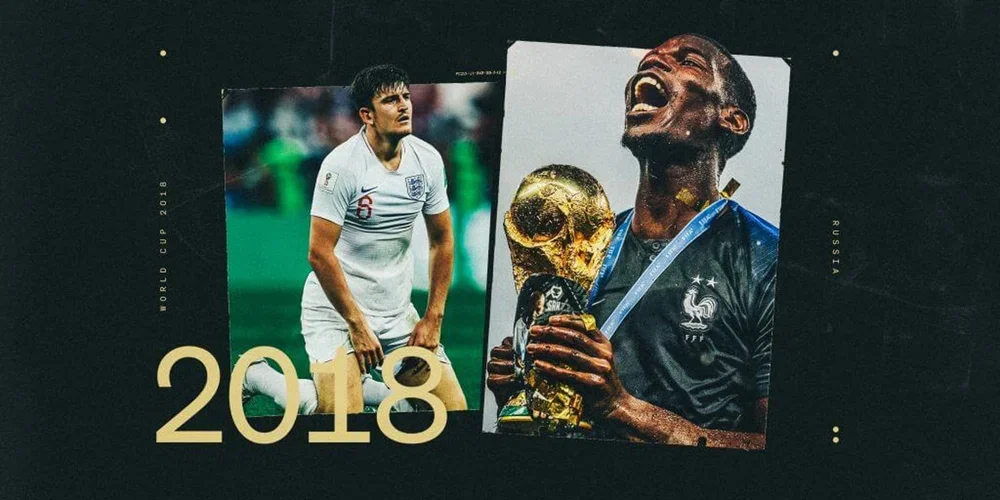
We’re almost there. Previously, we explored Uruguay in 1930, Italy in 1934 and again in 1938, Uruguay in 1950, West Germany in 1954, a Brazilian double in 1958 and 1962. Next came England’s triumph in 1966, another Brazil win in 1970, West Germany’s second in 1974, Argentina’s first in 1978, Italy’s third in 1982, Argentina’s second in 1986, West Germany’s third in 1990, Brazil’s fourth in 1994, and France’s first on home soil in 1998.
In the 21st century, Brazil celebrated an unprecedented fifth title in 2002, Italy a fourth in 2006, Spain emerged in 2010, and Germany won their fourth in 2014. Now, in the penultimate installment of this series, France lifts their second trophy.
**Introduction**
Two decades after their first World Cup victory as hosts in 1998, France secured their second title in Russia with familiar ingredients: a brilliant No. 10, an explosive young winger, a striker who struggled to score, and a rock-solid defense. Oh, and Didier Deschamps.
**The Manager**
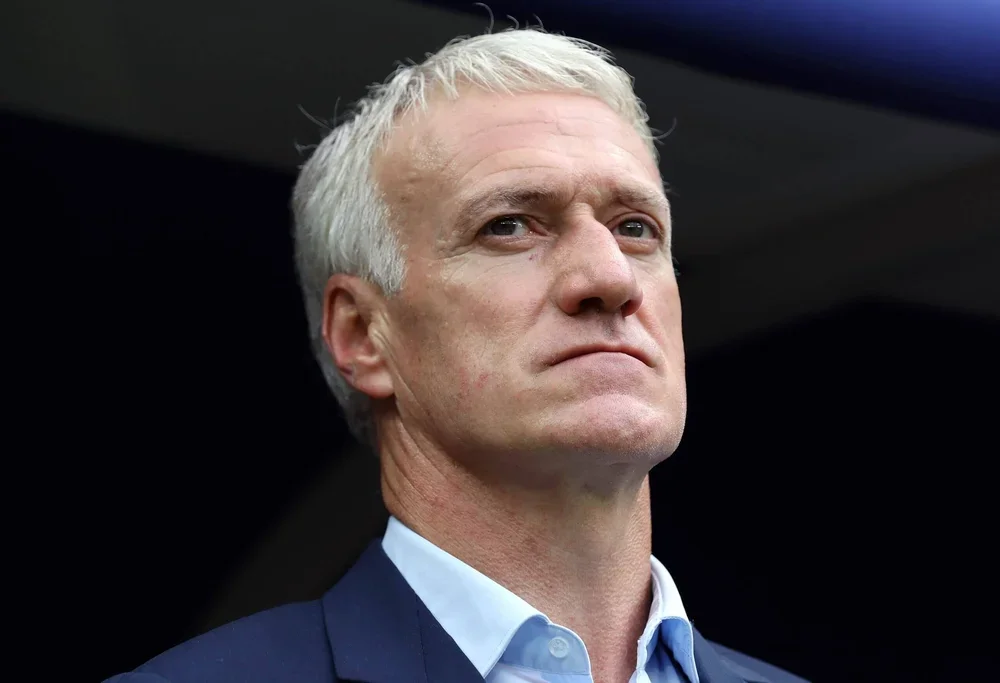
Deschamps became the third man to win the World Cup as both a player and a coach, following Brazil’s Mario Zagallo and West Germany’s Franz Beckenbauer. A vastly underrated defensive midfielder in that 1998 squad, often unfavorably compared to his France and Juventus teammate Zinedine Zidane, Deschamps carried the aura of a coach even during his playing days. Once he transitioned to management, he quickly guided Monaco to the 2004 Champions League final, won Serie B with Juventus in 2007 after their relegation due to the Calciopoli scandal, and then lifted Ligue 1 with Marseille in 2010.
Deschamps was always destined to coach his national team. He took over after France’s disappointing Euro 2012 campaign (group runners-up, quarterfinal exit, with just three goals in four matches) and remains in charge 14 years later, though he will step down after this summer’s World Cup at age 57. Like his predecessor as World Cup-winning manager, Germany’s Joachim Löw in 2014, it’s fair to say that one major tournament victory from six attempts is not beyond expectation given the talent Deschamps has had at his disposal. He came close twice: France reached the Euro 2016 final on home soil, losing to Portugal after extra time, and then lost the 2022 World Cup final to Argentina on penalties.
Deschamps’ tenure has often been frustrating; there always seems to be untapped attacking potential in his side, and France often struggles in the group stage. However, few know how to navigate tournaments like Deschamps, who has never faced the off-field discord that has plagued France before—most notably at the 2010 World Cup.
**Tactics**
Deschamps began the 2018 tournament in Russia with a 4-3-3 formation, featuring the exciting, fluid front three of Antoine Griezmann, Kylian Mbappé, and Ousmane Dembélé, buzzing unpredictably. But these setups often look better on paper than on the pitch. After a flat performance in their group opener against Australia, Deschamps introduced Olivier Giroud, and France squeaked out a 2-1 win.
That became their system for the rest of the tournament: Giroud as the fixed striker, with others playing off him. Giroud was never a world-class striker and failed to score in his six starts at the competition. Still, it’s worth noting that he is France’s all-time leading scorer—for now, at least, with Mbappé closing in.